


Air conditioning is an essential part of the modern home. It can help make your house a comfortable place to live An energy-efficient AC unit lowers your monthly power bill and pulls more dust and pollen out of the air before it reaches your rooms. Newer models run on less energy than older ones, and they need no extra insulation or window work to do it. That combination is why most homeowners upgrade.
Elite HVACS installs and services energy-efficient AC systems from all major brands. Our NATE-certified technicians handle the sizing, the install, and the seasonal maintenance, and every visit carries a service warranty.
Key Points
- An energy-efficient AC unit costs less to run each year than an older model.
- Modern high-efficiency units need no added insulation or window upgrades.
- SEER rates efficiency across a season. EER rates it at peak heat. Higher is better on both.
- Window and portable units cool one room. Central systems and heat pumps cool a whole house.
- Filter changes, duct insulation, and a programmable thermostat protect efficiency.
Why Do You Need an Energy-Efficient AC Unit?
An energy-efficient AC unit pays for itself through lower running costs. High-efficiency models are more cost-effective over time, so the savings build every season you own one.
You do not need extra windows or insulation either. Modern models use technology that works without those upgrades, which keeps the total cost of the switch down.
Air conditioning also makes a home healthier and safer. Hotter temperatures encourage germs and bacteria to grow. A system collects that bacteria and releases it into your home when it runs.
An energy-efficient AC unit helps here too. Many modern models use antibacterial agents so they stay safe to operate around young kids or anyone with a weakened immune system. Some use UV-C lights to clean the air before releasing it, and some include dehumidifiers for added comfort.
The best way to find out whether an energy-efficient AC unit suits your home is to call a local HVAC contractor and ask for an estimate. They can walk you through the units they carry and which one fits your space. Elite HVACS handles AC installation and replacement for all major brands.
What Are the Benefits of a High-Efficiency AC Unit?
A high-efficiency AC unit cuts energy use, filters the air better, and does it without the add-on upgrades older systems demanded. These are the main benefits:
- Lower Running Costs: New units use less energy than older models, so they cost less to run every year.
- No Home Upgrades Needed: Newer models are efficient enough that you can skip insulation work and the cost that comes with it.
- Antibacterial Protection: Many units include antibacterial agents that guard against germs and bacteria, which helps households dealing with allergies or asthma.
- Better Dust Removal: New models remove dust and allergens before they circulate through your home.
- Improved Filtration: Built-in air filters pull dust, pollen, and other allergens out of the air ahead of circulation.
- Higher Efficiency Ratings: Some models carry a high Energy Efficiency Ratio (EER) or Seasonal Energy Efficiency Ratio (SEER), which means more of the power they draw turns into cooling.
- More Sustainable Operation: Lower energy use during operation is easier on the environment and on your wallet.
What Counts as a Good EER or SEER Rating?
SEER measures how efficiently a unit runs across a full cooling season. EER measures it at peak heat, when the system works hardest. Higher is better on both.
The rating worth paying for is the one that matches your home and your budget, not the highest number on the shelf. A higher-rated energy-efficient AC unit costs more upfront and earns it back through lower running costs over the years you own it.
ENERGY STAR publishes certified efficiency data for central air conditioners, so you can check a model’s actual ratings against the spec sheet your contractor hands you.
Are There Any Models You Should Avoid?
Stay away from older models where you can. They may have been great a few years ago, but they are not worth spending money on today.
The Different Types of Air Conditioners and Their Pros and Cons
Several types of air conditioners are available when you shop for a new unit, and each has its advantages and disadvantages. These are the most common types:
Window Air Conditioners
Window air conditioners are small units that fit inside your home’s window or wall. They are a good choice if you are trying to keep costs down.
Best for: one room, a rental, or a home with no ductwork and a tight budget.
Split Air Conditioners
Split air conditioners cost a bit more than window units but offer many of the same advantages and benefits. Their ventilation can be powerful and effective.
Best for: homes without ducts that need more than one room cooled, and additions your main system cannot reach.
Portable Air Conditioners
Portable air conditioners perform well for anyone who does not want a unit installed in their home. They set up faster because they do not require central ducting. You may need to run a hose from your outdoor unit, which is worth keeping in mind.
Best for: renters and anyone who cannot install a unit permanently.
Central Air Conditioners
Central air conditioners are the most expensive units to install, and they offer the most benefits. They have powerful ventilation that helps with dust, other allergens, and heat control. Many of the newer models are more efficient because of how they run.
Best for: whole-home cooling in a house that already has ductwork.
Heat Pumps
Most people do not connect heat pumps with air conditioners, but a heat pump controls indoor temperature and heating costs with one system. It is also effective at removing dust and allergens from the air. Elite HVACS covers heat pump installation options for homes that want both in one unit.
Best for: homes that want cooling and heating from one system.
Use this information to choose the right energy-efficient AC unit for your home. You may want two or three installed in different rooms so you can control them all with one thermostat.
The Importance of Regular Maintenance on Your Energy-Efficient AC Unit
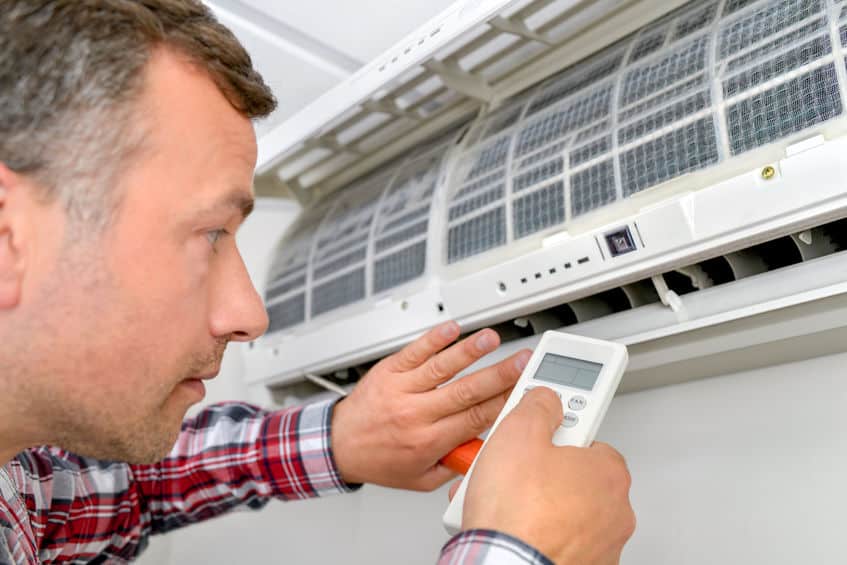
Maintaining your energy-efficient AC unit protects the savings you bought it for. Keep up with it even when the system seems fine.
1. Change the Filters Regularly
Changing the air filters on your AC unit keeps your home cleaner and saves you money on energy costs. It takes very little time and effort, so there is no reason to skip it.
2. Have Your Unit Regularly Checked for Problems
Your air conditioner may not seem like a machine that needs regular maintenance, but having it checked makes a world of difference. Regular checks keep the unit working efficiently for years to come. Book routine AC maintenance service before cooling season starts.
3. Get an Energy Audit Done on Your Home
If you do nothing else, get a professional energy audit done on your home. The results help you determine where to invest in energy conservation projects. This helps you get the most out of your unit, as much as 18% more efficiency.
4. Make Sure Your Ducts Are Properly Insulated
Insulated ducts keep heat from being wasted so energy is used effectively. Without proper insulation, you could be throwing away money each month.
5. Use a Programmable Thermostat
A programmable thermostat helps your AC unit run more efficiently while you are asleep or away from home. It saves money and gets more out of the system. Ask about programmable thermostat installation if yours is still a manual dial.
6. Add a Fan to Your AC Unit
A ceiling fan is an easy way to reduce the impact of hot weather in your home. It helps your AC unit run more efficiently and cools the air around you. Many fans are designed to be used with an AC unit, and the installation is simple.
7. Replace the Coils on Your Unit
Replacing the coils on your unit can be a cost-effective investment. Regularly scheduled maintenance helps you avoid the problem, but if you skip it, replacing the coils is the next best thing.
8. Turn Off Your Unit When You Go Out for the Day
When you leave home, turn off your air conditioner so it is not cooling an unoccupied space. You can save a great deal on energy costs with this one habit.
9. Close Your Windows to Keep Cool Air In
Close the windows on days when your AC unit is working hard. Cooler indoor air stays where you want it, and your AC does not have to work as hard.
An energy-efficient AC unit is the single biggest lever on a summer power bill, and sizing it correctly matters more than the brand on the box. Tell us your square footage and what you are running now, and a NATE-certified technician will size the right unit and quote the install. Contact our team today.